
New CLMS global NRT Evapotranspiration and Heat Fluxes products

The Copernicus Land Monitoring Service has recently released global maps giving insight into how water and heat move across the Earth’s surface. The 10-daily evapotranspiration (ETA) and the daily heat fluxes (HF) products are derived from Sentinel-3 OLCI and SLSTR data at 300m resolution. They are available in near real time, within two days after the satellite acquisitions.

In the context of its land monitoring activities, HYGEOS has coordinated the work between experts from DHI and the Spanish National Research Council who have developed the products,  VITO that operates the processing chain and the Royal Meteorological Institute of Belgium that performs the independent validation.

The CLMS ETA product is made of the actual Evapotranspiration (ET) composed of the soil evaporation (E) and the canopy transpiration (T). These variables are estimated by two ET modelling frameworks as well as a combination of both in an Ensemble model. Recognized by the Global Climate Observing System (GCOS) as an Essential Climate Variable (ECV), ET is fundamental for analysing the water and energy cycles. As proxy of plant water consumption, ET helps to plan and monitor irrigation and support food production. It can also be useful to monitor drought, to assess forest fire risk and to forecast fire spread.

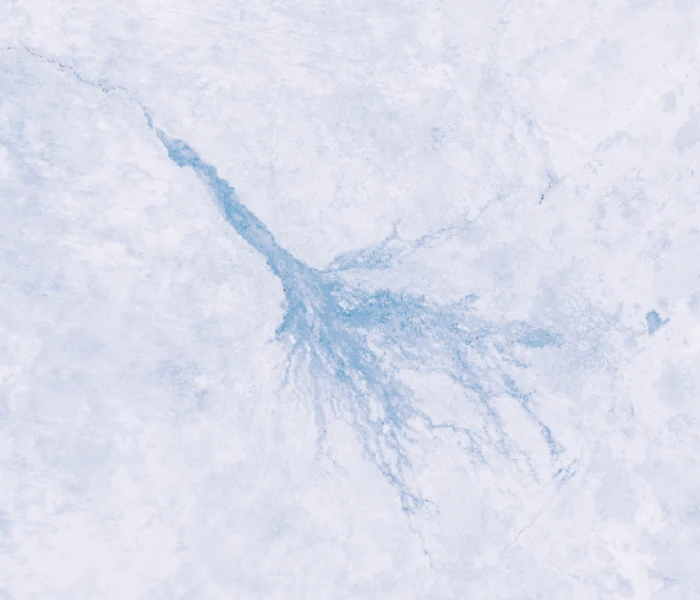
Evapotranspiration by Ensemble model on second dekad of November 2025 over the Okavango
Soil Evaporation by Ensemble model over Okavango on second dekad of November 2025
Canopy transpiration by Ensemble model for the second dekad of November 2025 over Okavango
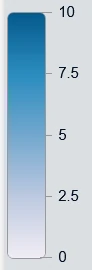
ETA legend in mm per day

Evapotranspiration (left), soil evaporation (centre) and canopy transpiration (right), expressed in mm/day, derived by the Ensemble model for the second dekad of November 2025 over the Okavango delta.

The CLMS HF product includes the sensible heat flux (H) and the latent heat flux (LE). The former quantifies the energy involved in heat transfer between the surface and the atmosphere, where higher values may point to drier surfaces. The latter represents the energy linked to water exchange, where higher values indicate wetter conditions.
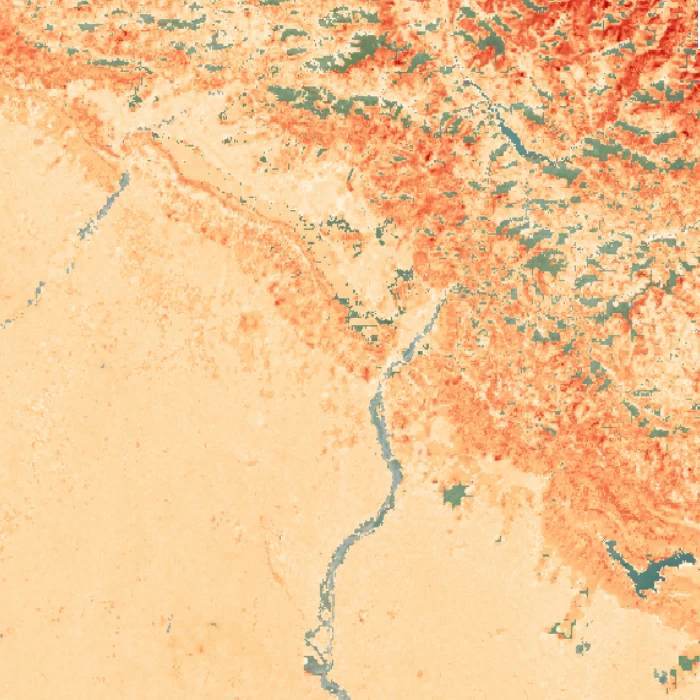
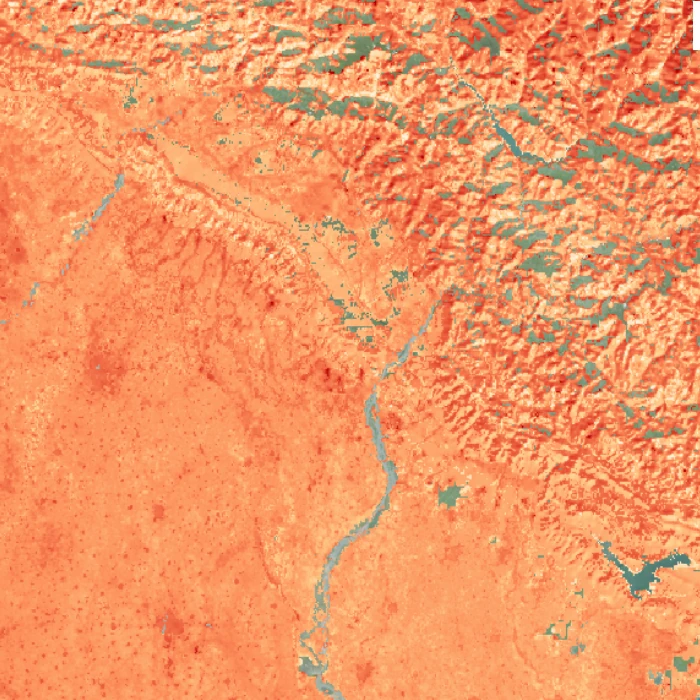
Sensible heat flux by TSEB-PT model for 11 November 2025 over northern India
H legend in W per m²
Latent heat flux by TSEB-PT model for 11 November 2025 over northern India
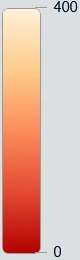
LE legend in W per m²

Sensible heat flux (left) and latent heat flux (right), expressed in W.m-², derived from the TSEB-PT model on 11th November 2025 over the Northern India.

The products cover the period from November 2025 onwards. They have passed an exhaustive validation procedure using independent in situ flux observations from eddy covariance stations. The products are delivered with a complete documentation including the ATBD, a Product User Manual and a Validation Report. The products are accessible through the download options of the Copernicus Data Space Ecosystem (CDSE). They are also viewable through the CDSE browser.

The activity has been funded by the European Commission under a Copernicus Global Land Operations Service (CGLOPS) consortium managed under a contract with the Joint Research Center.